


Flexible, high-performance WordPress websites

A CMS used around the world
WordPress provides a solid foundation for organisations that want a proven platform with a large talent pool, broad hosting support, and the ability to evolve over time. Its longevity and adoption mean it is well understood, well supported and continually improving.
WordPress is not a one-size-fits-all solution, but it remains a strong choice when matched thoughtfully to the needs of the organisation and built with long-term maintainability in mind.
Designed for marketing teams and technical teams alike
WordPress is often associated with ease of use, but its strength lies in its ability to support both content teams and technical teams when implemented properly.

For marketing and content teams
WordPress provides a familiar and approachable publishing experience.
For content teams, this typically means:
- A low barrier to entry for creating and managing content
- Fast publishing workflows for campaigns, news, and updates
- A large ecosystem of editorial and marketing tools
- Flexibility to support blogs, landing pages, and content-rich sites
When structured well, WordPress enables teams to move quickly without sacrificing consistency or quality.

For IT and technical teams
WordPress is an open-source platform that can be adapted to a wide range of architectures.
For development and IT teams, this includes:
- Full control over code, hosting, and infrastructure
- The ability to build custom themes and functionality
- Integration with external systems and services
- Support for modern development workflows when configured correctly
WordPress performs best when treated as an application platform rather than a collection of plugins with clear standards around code quality, security and updates.
Core WordPress capabilities
WordPress offers a broad set of capabilities that make it suitable for many different types of digital platforms when implemented thoughtfully.
Flexible content and page structures
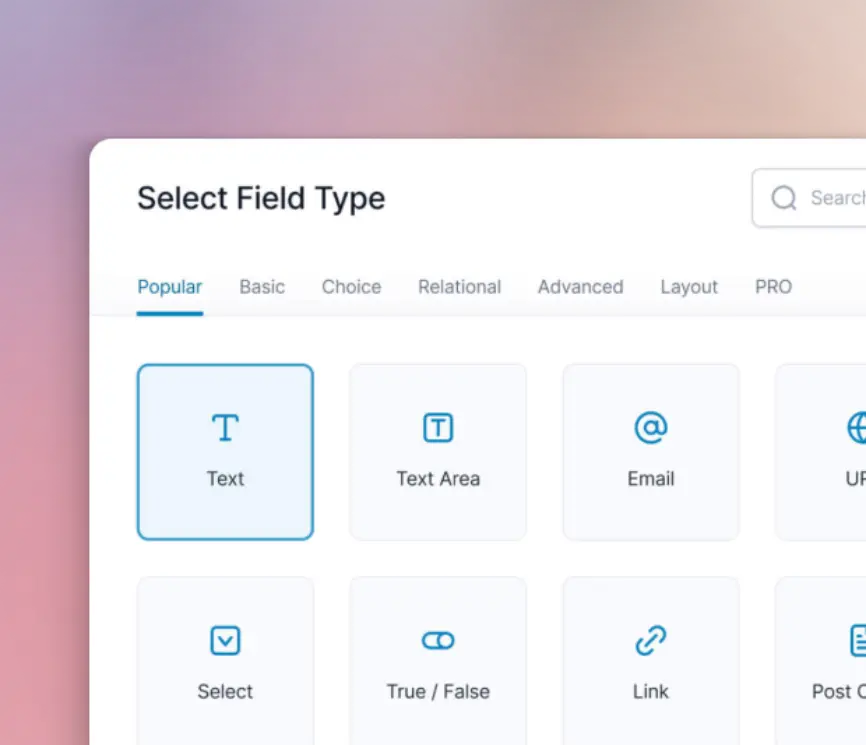
WordPress supports a range of content structures, from simple pages and posts to more complex custom content types.
With the right architecture, this allows organisations to model content in ways that suit their publishing needs, rather than forcing everything into generic formats.
Plugin ecosystem and extensibility
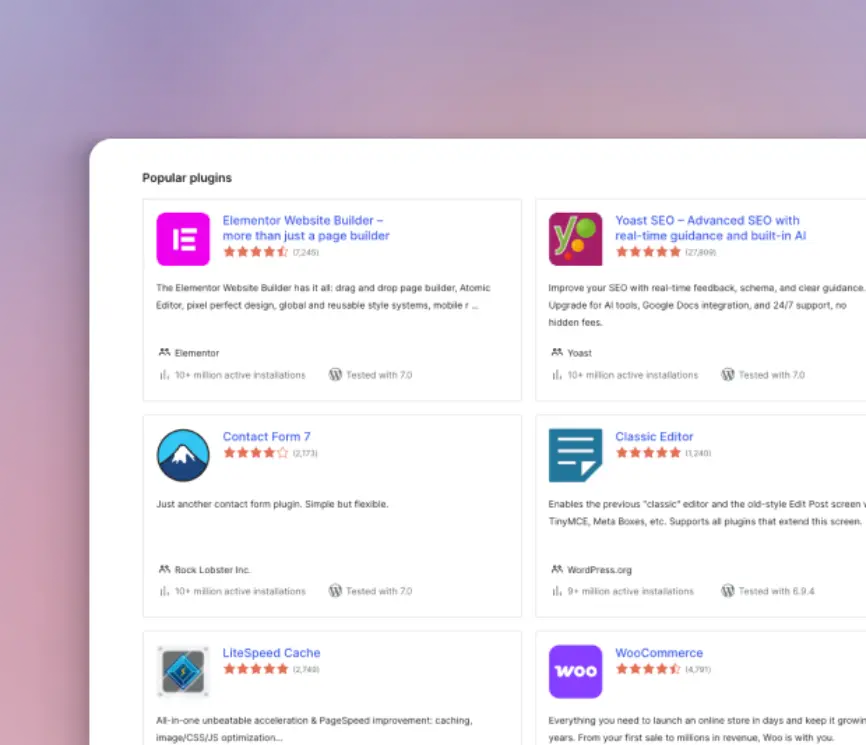
One of WordPress' greatest strengths is its extensive plugin ecosystem.
Plugins can extend functionality across SEO, analytics, ecommerce, marketing automation and more. When managed carefully, this ecosystem allows platforms to evolve quickly without unnecessary custom development.
Multi-site and multi-language support
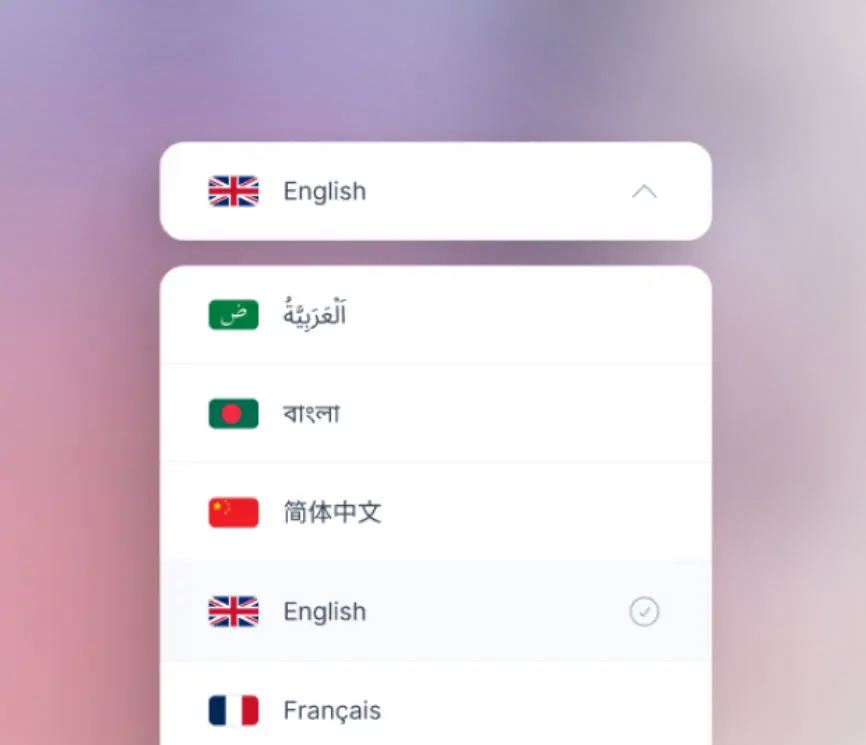
Includes built-in support for multi-site environments, enabling the management of multiple websites from a single installation.
With the right configuration, WordPress can also support multi-language publishing and region-specific content, making it suitable for organisations operating across markets.
Editorial workflows and permissions
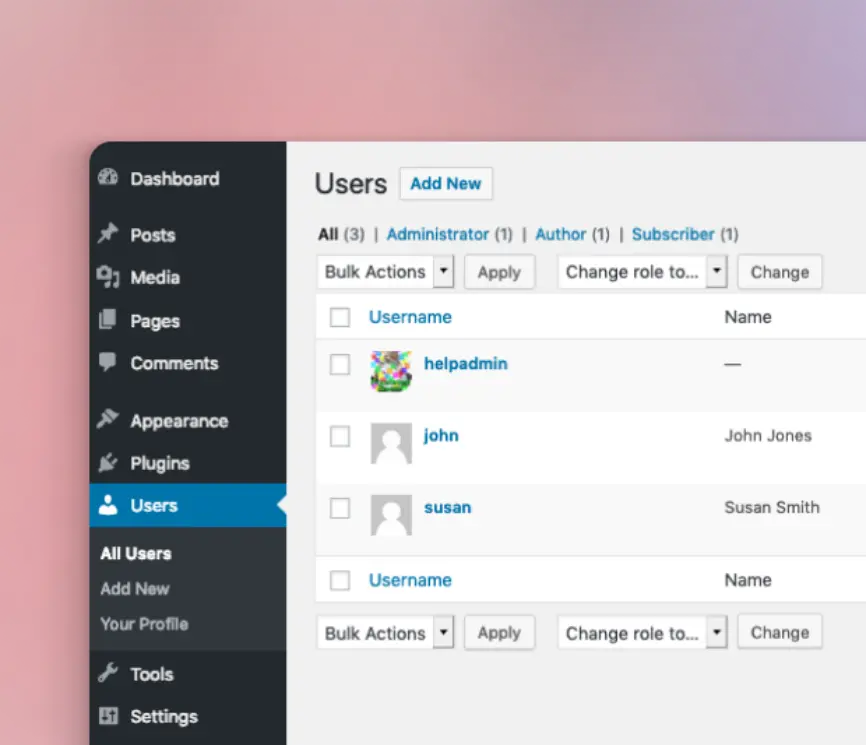
WordPress supports user roles and permissions that allow teams to control who can create, edit, approve and publish content.
This is particularly important for organisations with larger teams or governance requirements around content publishing.

Performance and scalability
WordPress can perform well at scale when supported by appropriate hosting, caching, and optimisation strategies.
Performance depends heavily on implementation choices, including theme architecture, plugin usage and infrastructure configuration.
Security and governance
As a widely used platform, WordPress requires an active approach to security.
Responsible plugin selection and ongoing maintenance are essential to avoid performance, security and compatibility issues.
Built for custom design and brand-led experiences
WordPress is often associated with off-the-shelf themes, but that's a reflection of how it's commonly used and not a limitation of the platform itself.
When implemented properly, WordPress can support fully custom designs, bespoke layouts and sophisticated digital experiences that align closely with brand and user expectations. The platform places no inherent constraints on visual design or front-end behaviour.
WordPress can support everything from refined brand websites to complex digital experiences, provided it is approached as a custom build rather than a pre-packaged solution.
For brand and marketing teams, this means:
- Custom-designed websites that reflect brand identity, not templates
- Design systems that can evolve without re-platforming
- The ability to support campaigns, storytelling and rich editorial content
For design and development teams, WordPress enables:
- Fully custom themes built to modern standards
- Precise control over markup, layout, and responsiveness
- Integration with contemporary front-end tooling and workflows
WordPress for eCommerce and integrated platforms
WordPress supports eCommerce through WooCommerce, one of the most widely used ecommerce platforms in the world.
WooCommerce integrates directly into WordPress, allowing products, content, and commerce to be managed within a single platform. This makes it a strong option for organisations that want eCommerce tightly connected to their broader content strategy.

WooCommerce for flexible eCommerce
WooCommerce supports everything from simple stores to complex ecommerce setups:
- Flexible product and pricing models
- Strong content and commerce integration
- Large ecosystem of integrations
- Familiar workflows for marketing teams
Like WordPress itself, WooCommerce performs best when configured intentionally, with a focus on long-term maintainability rather than quick fixes.
Integrations and extensions
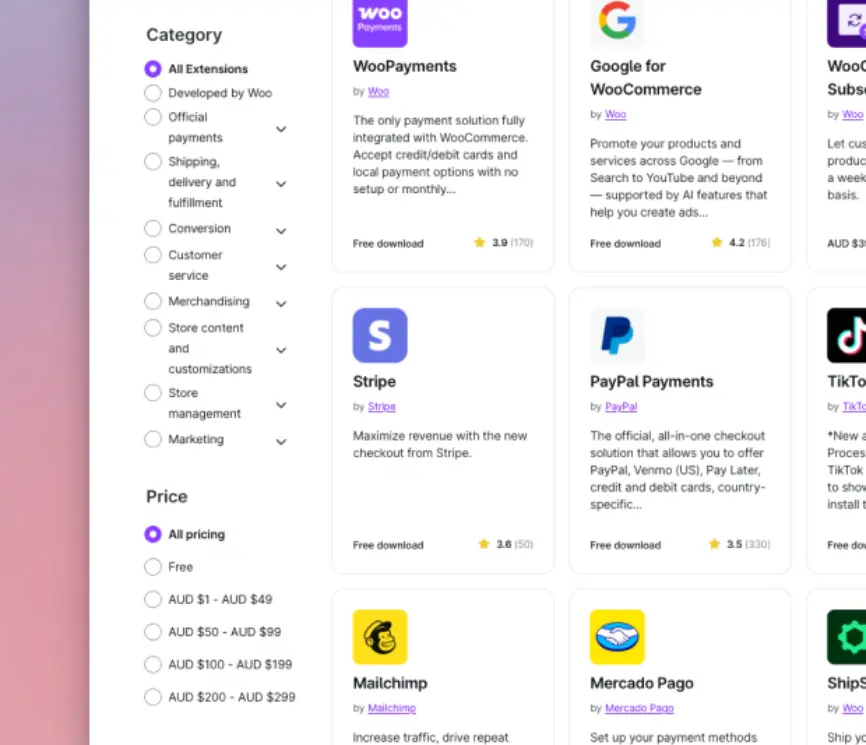
WooCommerce integrates with a wide range of systems and services, including:
- Payment gateways and checkout services
- Shipping and fulfilment providers
- CRM and marketing platforms
- Accounting and inventory systems
Note: eCommerce performance, security and scalability depend heavily on how WooCommerce is implemented. Responsible extension selection, clean code and robust hosting are critical to avoiding fragility as transaction volumes grow.
Headless and composable WordPress
WordPress can also operate as part of a headless or composable architecture. Using its REST API or GraphQL, WordPress can act as a content source for:
- Custom front-end applications
- Mobile apps
- Portals and digital tools
This approach allows organisations to decouple content management from presentation while continuing to benefit from WordPress' familiarity and ecosystem.
WordPress supports a pragmatic approach to headless architecture. It can be used fully headless, partially decoupled, or in a traditional setup, depending on the needs of the platform and the maturity of the organisation’s digital stack.
This flexibility makes WordPress a viable option for teams modernising their architecture without committing to unnecessary complexity.
Integrating WordPress with your wider systems
WordPress is rarely used in isolation. In mature digital environments, it typically forms part of a broader ecosystem of platforms and services.
WordPress integrates readily with a wide range of systems, including:
- CRM platforms for customer data and personalisation
- Marketing and analytics tools
- ERP, inventory, and finance systems
- Identity, authentication and third-party services
Because WordPress is open source and widely supported, integrations can be tailored to suit specific operational requirements rather than relying solely on off-the-shelf connectors.
Why choose Bright Labs as your WordPress agency
Choosing WordPress is only part of the equation. How it is designed, built, and maintained has a far greater impact on long-term success.
Bright Labs builds WordPress websites and solutions properly and not as a collection of themes and plugins.
As a WordPress agency, we bring:
- Thoughtful content and information architecture
- Custom design and development aligned to brand and user needs
- Clean, maintainable builds without unnecessary plugin dependency
- Strong performance, security and hosting foundations
- Experience supporting WordPress platforms long after launch
We work with organisations that want WordPress done properly where the websites are built to last, scale and adapt as requirements evolve.
Ongoing support, optimisation and care
Bright Labs provides ongoing support for WordPress platforms as a core part of our offering.
Support is structured around keeping platforms secure, performant, and reliable over time, rather than reacting to issues as they arise.
This typically includes:
- Regular WordPress core, theme and plugin updates
- Security monitoring, hardening and access management
- Performance optimisation across application and infrastructure
- Proactive identification and reduction of technical debt
- Enhancements and iteration as business needs change
We also manage hosting and infrastructure where required, ensuring WordPress platforms are supported by environments designed for stability and scale. Our focus is on long-term platform health and ownership, not just launch delivery.
WordPress, built properly
Trusted WordPress development for growing organisations


